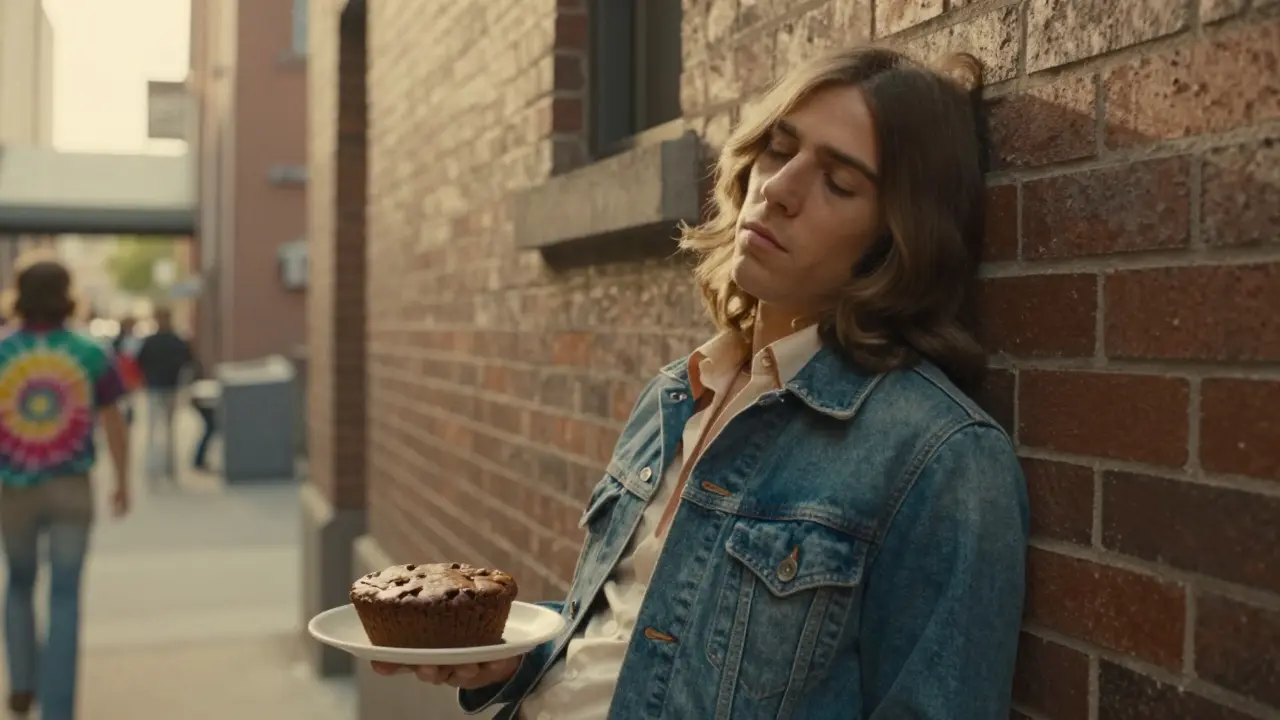
Imagine the year is 1975. The air smells of patchouli and stale smoke. A long-haired guy in a denim jacket leans against a wall, eyes half-closed, muttering something about "the man" while munching on a brownie that definitely wasn't baked by his mom. If you were looking at him back then, you wouldn't call him a "cannabis consumer." You'd call him a burnout, a term used in the 1970s to describe someone who appeared exhausted or indifferent due to heavy drug use. Or maybe just a "freak."
Language changes fast, especially when it comes to drugs. Today, we talk about "THC gummies," "microdosing," and "terpenes." We treat cannabis like a wellness supplement. But in the 70s? It was counter-culture. It was rebellion. And the slang reflected that raw, unfiltered energy. So, what exactly did people say back then? And why does it matter now that we're buying legal edibles online?
The King of Slang: Burnout
If you want one word that captures the essence of the 70s stoner, it's "burnout." This isn't the corporate burnout we talk about today (stress from work). In the 70s, a burnout was someone who had "burned out" their social life, career prospects, and sometimes their health, all in pursuit of the high.
This term stuck because it described a visible lifestyle. These weren't secret smokers hiding in bathrooms. They were often loud, politically radical, deeply into music (think Grateful Dead or Jimi Hendrix), and visibly disconnected from mainstream society. The counterculture movement a social movement that opposes cultural consensus, particularly prevalent in the 1960s and 70s fueled this identity. Being a burnout was almost a badge of honor among peers, but a warning sign to parents.
Why does this matter today? Because the stigma has shifted. Today's "stoner" might be a tech CEO taking THC gummies for focus. The "burnout" label doesn't fit anymore. Understanding this shift helps us see how far cannabis culture has come-from fringe rebellion to mainstream acceptance.
Other Common 70s Terms for Stoners
Burnout wasn't the only word. The 70s lexicon was rich with colorful, often derogatory, nicknames. Here are the most common ones:
- Freak: A catch-all term for anyone outside the norm. If you smoked pot, wore tie-dye, and didn't shave, you were a freak. It wasn't always mean; sometimes it was affectionate within the community.
- Ganja head: Directly referencing the plant itself. Simple, descriptive, and widely understood across different subcultures.
- Hash head: Specific to users of hashish, which was extremely popular in Europe and parts of the US during the 70s. Hash was cheaper and more potent than flower, so many "heads" were actually hash users.
- Pot smoker: Straightforward, but often used in legal or parental contexts rather than peer-to-peer slang.
- Grass eater: Less common, but used in some regions to describe those who consumed large quantities of cannabis leaf material.
Notice the pattern? Most terms were either descriptive (hash head) or judgmental (freak, burnout). There was no neutral, clinical language like "patient" or "consumer." That came much later, with legalization efforts in the 2010s.
From Joint Rolling to THC Gummies: A Cultural Shift
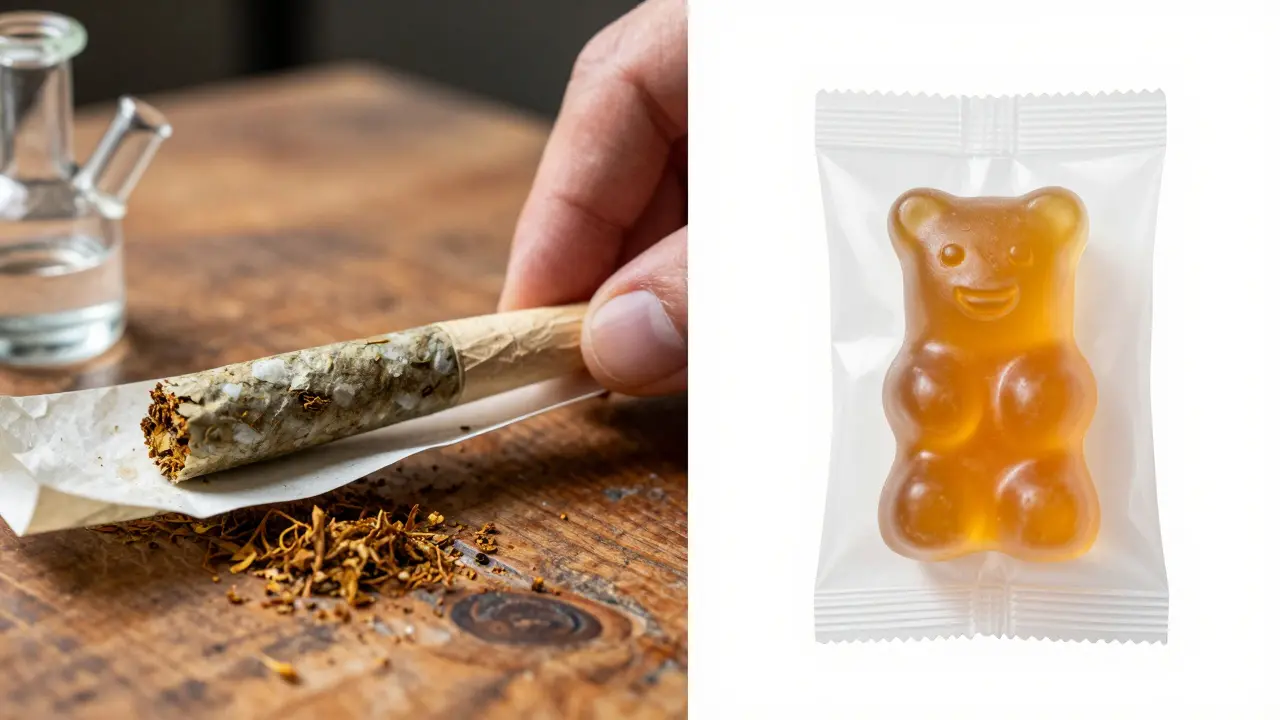
In the 70s, if you wanted to get high, you rolled a joint, lit a bong, or ate a suspicious brownie from a friend's kitchen. There were no standardized doses. No lab tests. Just guesswork and vibes.
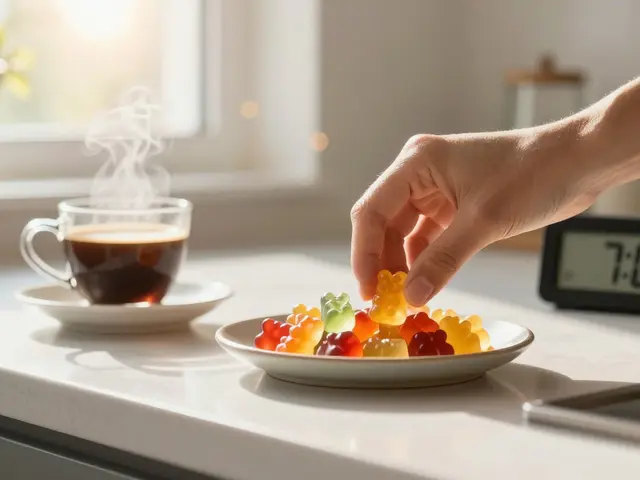
Today, we have THC gummies edible cannabis products containing tetrahydrocannabinol, designed for precise dosing and discreet consumption. This is a massive leap. Why? Because safety and consistency matter now. Back in the day, eating a "space cake" could lead to a terrifying experience if you got too much THC. Today, a 10mg gummy gives you a predictable, manageable high.
This shift reflects a broader change in how we view cannabis. It's no longer just about getting wasted; it's about wellness, relaxation, and even creativity. The 70s stoner sought escape. The modern user seeks balance.
| Aspect | 1970s | 2020s |
|---|---|---|
| Common Term | Burnout, Freak | Cannabis Consumer, Enthusiast |
| Primary Product | Joints, Hash, Bongs | THC Gummies, Vapes, Tinctures |
| Dosing Precision | None (Guesswork) | High (Lab-tested mg) |
| Social Perception | Counter-cultural, Stigmatized | Mainstream, Accepted |
| Legal Status | Illegal everywhere | Legal in many states/countries |
Why Slang Matters: Identity and Community
Slang isn't just words; it's identity. When 70s kids called themselves "burnouts," they were claiming a space outside the system. They were saying, "I don't care about your rules." Today, when someone says they take "THC gummies for anxiety," they're aligning with health and wellness trends. They're saying, "I care about my mental well-being."
This linguistic shift tells us everything about where cannabis stands in society. We've moved from rebellion to routine. From underground clubs to pharmacy shelves. The product changed, the perception changed, and naturally, the language followed.
Modern Equivalents: What Do We Call Stoners Now?
If you walk into a dispensary today, you won't hear anyone calling each other "freaks." Instead, you'll hear terms like:
- Canna-enthusiast: Someone passionate about the craft, strains, and effects.
- Medical patient: Individuals using cannabis for specific health conditions.
- Recreational user: People using it purely for leisure.
- Connoisseur: Similar to wine lovers, these folks appreciate terroir, terpene profiles, and extraction methods.
Even the word "stoner" itself has softened. It's less insulting now, more of a casual descriptor. But the core idea remains: people who enjoy the psychoactive effects of THC. Whether through a 70s joint or a 2026 gummy, the desire for altered states hasn't changed-only the delivery method and social acceptance have.

The Role of Edibles in Shaping Language
Edibles played a huge role in changing how we talk about cannabis. Smoking is public, smelly, and obvious. Eating a gummy is discreet. You can do it at work, at a dinner party, or before bed without anyone knowing. This discretion reduced the stigma associated with being a "smoker."
As a result, the language became more clinical and less judgmental. We stopped talking about "getting baked" and started talking about "managing stress." This isn't just semantics; it's a reflection of societal progress. We've normalized cannabis use by making it safer, cleaner, and more integrated into daily life.
Final Thoughts: Nostalgia vs. Reality
It's fun to look back at 70s slang. Words like "burnout" and "freak" evoke a certain romanticized image of freedom and rebellion. But let's not forget the reality: back then, using cannabis could ruin your life. Jobs were lost, careers ended, and friendships fractured over a simple joint.
Today, thanks to legalization and better education, we have a healthier relationship with cannabis. We can enjoy THC gummies without fear of arrest. We can discuss our experiences openly. And yes, we can still use a little retro slang for fun-but mostly, we're focused on enjoying the benefits responsibly.
What was the most common slang term for stoners in the 1970s?
The most iconic term was "burnout." It described someone who seemed exhausted or disengaged from society due to heavy drug use, particularly cannabis. Other common terms included "freak," "ganja head," and "hash head."
Why did the term "burnout" fall out of favor?
As cannabis became legalized and destigmatized, the negative connotations of "burnout" faded. Modern users prefer neutral or positive terms like "cannabis enthusiast" or "consumer" that reflect responsible use rather than self-destruction.
How do THC gummies compare to 70s edibles?
70s edibles like brownies were inconsistent and often dangerously potent. Modern THC gummies are lab-tested for precise dosage (e.g., 10mg per piece), offering a safer, more predictable experience with fewer risks of overconsumption.
Was "freak" always an insult?
Not necessarily. Within counterculture circles, "freak" could be a term of endearment or pride, signaling alignment with anti-establishment values. However, outsiders often used it pejoratively to marginalize cannabis users.
Do people still use 70s slang today?
Occasionally, for nostalgic or humorous effect. But in everyday conversation, modern terminology dominates. Words like "vape," "gummy," and "strain" are far more common than "joint," "hash," or "burnout."